The History of Reiki and Its Japanese Roots
Reiki is often described as timeless — a universal life force energy that has always existed.
And while the energy itself may feel ancient, the practice of Reiki as we know it today has a clear and traceable origin in early 20th-century Japan.
Understanding where Reiki comes from allows us to approach it with greater respect, context, and clarity.
The Founder: Mikao Usui
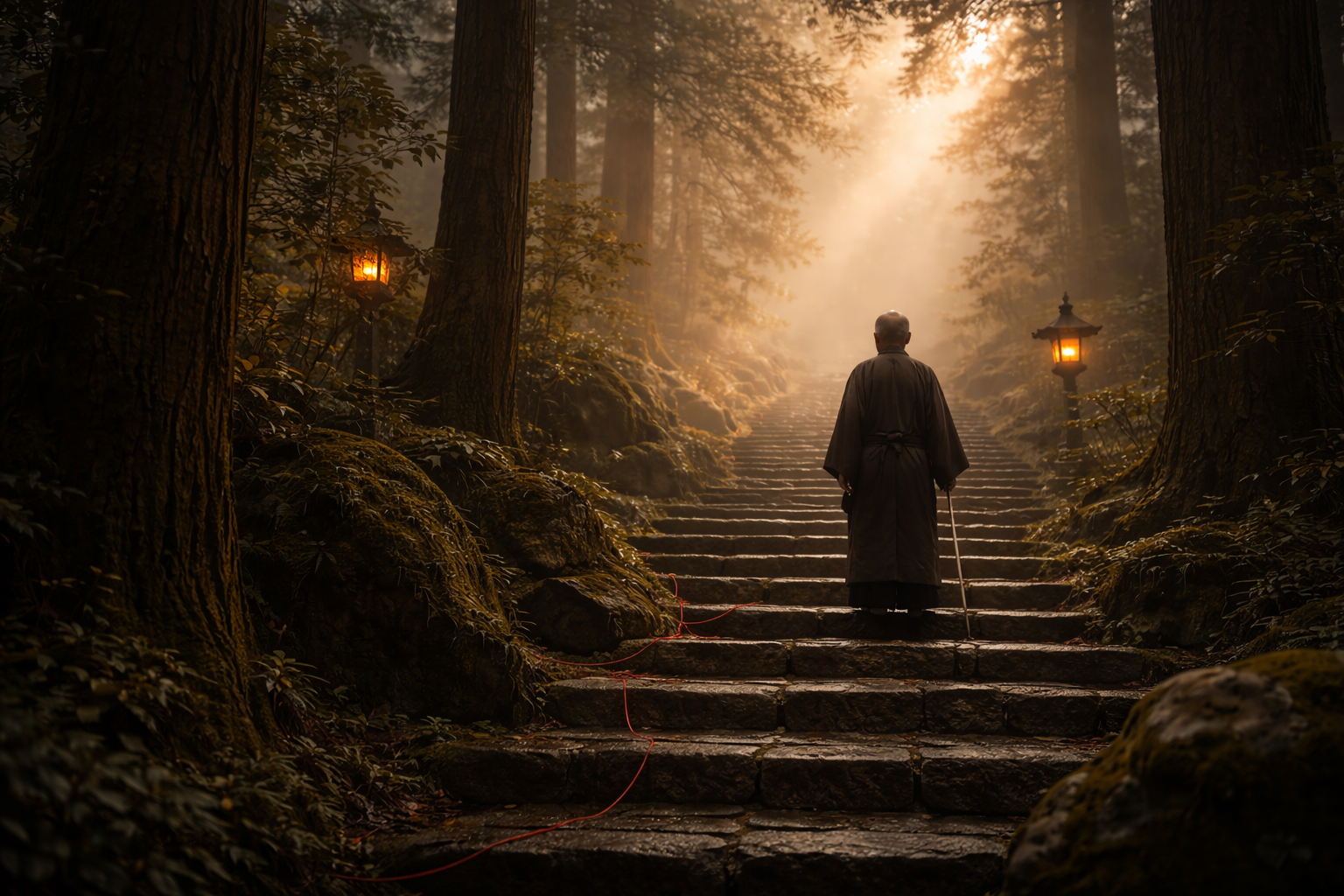
Reiki was developed in 1922 by Mikao Usui, a Japanese spiritual seeker and teacher.
Usui was born in 1865 during a period of major cultural and political transformation in Japan. The country was shifting from centuries of isolation into rapid modernization. Spiritual traditions were evolving alongside social change.
Usui studied various disciplines throughout his life, including meditation practices, martial arts principles, and elements of Tendai Buddhism. He was deeply interested in spiritual development and the nature of healing.
According to Reiki tradition, after years of study and searching, Usui undertook a 21-day meditation retreat on Mount Kurama, a sacred mountain north of Kyoto. It was during this period of fasting and contemplation that he experienced a profound spiritual awakening — one that led to the development of Reiki.
Rather than creating something entirely new, Usui organized and systematized a method for channeling universal life force energy in a structured way that others could learn and practice.
What Reiki Meant to Usui
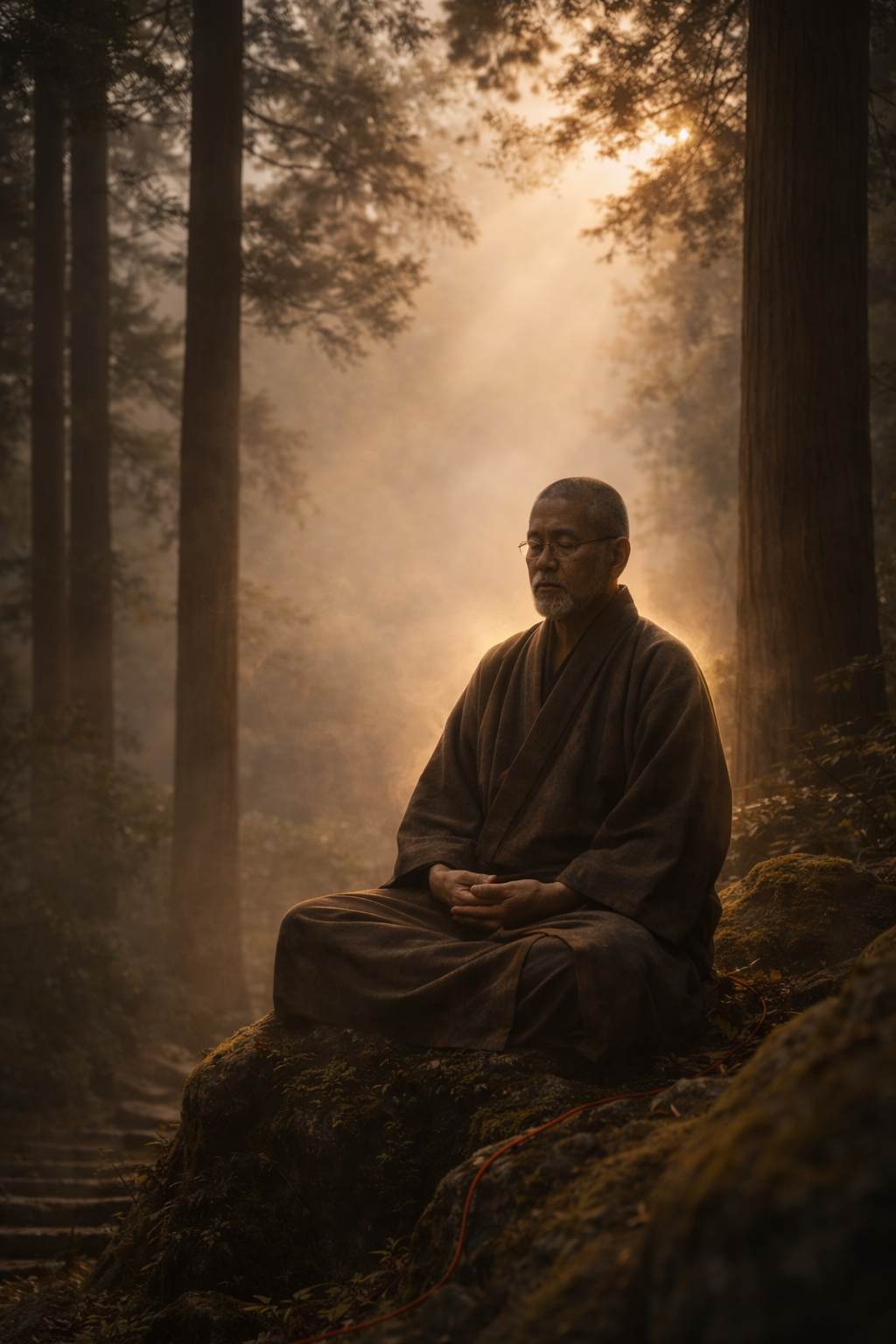
For Usui, Reiki was not simply about physical healing.
It was a path toward personal growth and spiritual refinement.
He established what are known as the Five Reiki Precepts — guiding principles that are still recited by practitioners today. These precepts emphasize calmness, gratitude, honest work, kindness, and freedom from worry or anger.
In this way, Reiki was always intended to be more than a technique.
It was a daily practice of awareness.
Usui founded the Usui Reiki Ryoho Gakkai in Tokyo, where he taught and treated students until his death in 1926. His approach emphasized hands-on healing, meditation, and ethical living.
Reiki Comes to the West
Reiki might have remained a relatively small Japanese healing tradition if not for one of Usui’s students, Chujiro Hayashi, a former naval officer.
Hayashi formalized the hand positions used during Reiki treatments and established a clinic in Tokyo. It was here that a woman named Hawayo Takata encountered Reiki.
Takata was a Japanese-American woman from Hawaii who had traveled to Japan seeking treatment for various health concerns. After experiencing significant improvement through Reiki sessions, she trained under Hayashi and eventually brought Reiki back to Hawaii in the late 1930s.
Through Takata’s teaching, Reiki began spreading throughout North America.
Because Reiki entered the West during a time of cultural differences and wartime tensions, some aspects of the practice were simplified or adapted. Over time, different lineages and teaching styles emerged.
Today, there are many branches of Reiki, but most trace their roots back to Usui.
Returning to Japanese Foundations
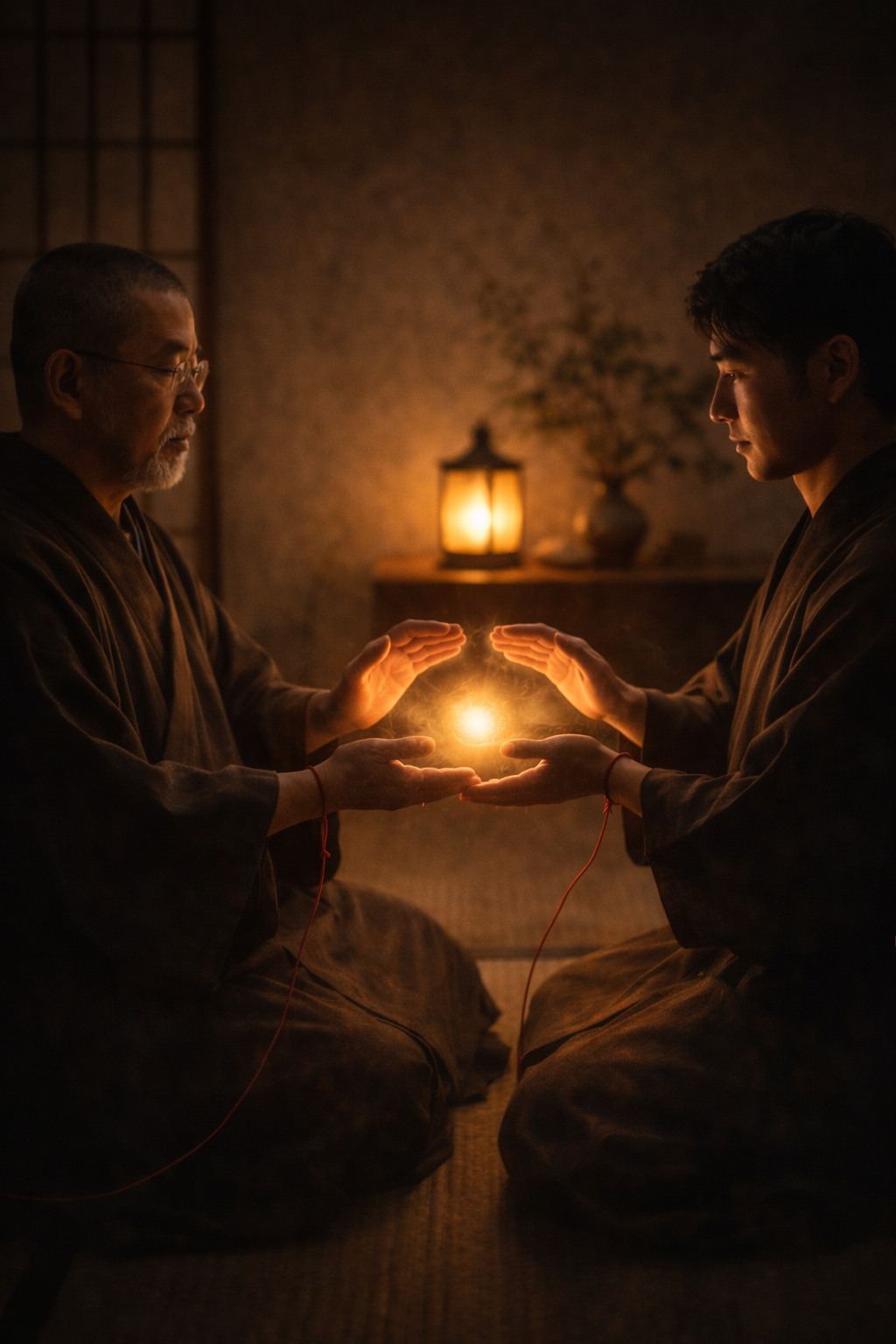
In recent decades, many practitioners have sought to reconnect Reiki with its original Japanese context.
Early Western Reiki sometimes emphasized symbolism and ritual in ways that were slightly removed from its initial simplicity. Modern historical research has helped clarify original teachings, meditation techniques, and the spiritual philosophy behind Reiki.
This has led to a renewed appreciation for Reiki as both:
A gentle energy healing modality
A spiritual development practice
The Japanese influence is still visible in Reiki’s structure: the emphasis on stillness, subtlety, and disciplined presence.
Reiki does not rely on dramatic displays.
It relies on quiet attention.
The Meaning of Reiki
The word “Reiki” is composed of two Japanese characters:
Rei — often translated as universal or spiritually guided wisdom
Ki — life force energy (similar to “chi” in Chinese medicine)
Ki refers to the animating energy present in all living beings.
Rei refers to the higher intelligence that guides that energy.
Together, Reiki suggests energy that flows with awareness and purpose.
It is not something the practitioner creates.
It is something they allow.
Reiki in Modern Practice
Today, Reiki is practiced around the world in clinics, hospitals, private studios, and homes. It is often used as complementary care alongside medical treatment, therapy, and other wellness practices.
While research into Reiki continues to evolve, many studies suggest it may support stress reduction, relaxation, and emotional regulation.
But perhaps the most powerful aspect of Reiki is its simplicity.
A quiet room.
Gentle hands.
An hour of uninterrupted rest.
In a world that constantly demands productivity and stimulation, this simplicity can feel radical.
Honouring the Roots
When we practice Reiki today, we participate in a lineage that stretches back just over a century — but that draws from spiritual traditions much older.
Honouring its Japanese roots means remembering that Reiki was never meant to be flashy or performative.
It was meant to cultivate balance.
To soften the heart.
To calm the mind.
To live ethically.
It is both a healing modality and a way of being.
And in that sense, the history of Reiki is not confined to the past.
It continues each time someone chooses to sit quietly, place their hands gently, and allow energy to move where it is needed most.
