Preparing for Your Reiki Session: A Gentle Guide
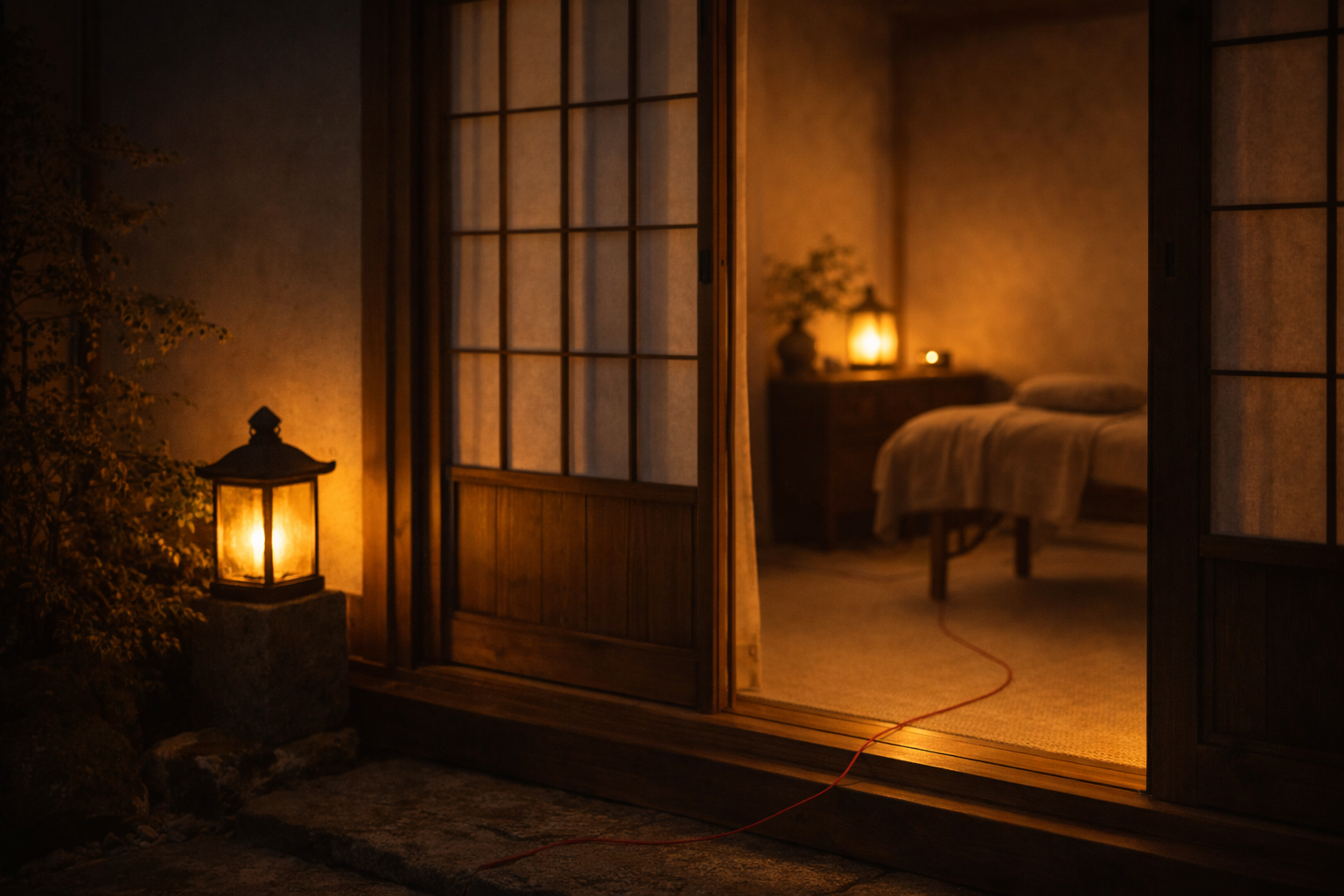
Booking your first Reiki session can feel exciting — and sometimes a little uncertain.
If you’ve never experienced Reiki before, you may be wondering:
What should I do beforehand?
Do I need to prepare in a specific way?
Is there anything I should avoid?
The good news is this: Reiki does not require complicated preparation. You don’t need special knowledge, spiritual experience, or a perfectly calm mind.
You simply need openness.
Still, there are a few gentle ways to prepare that can help you feel more comfortable and receptive.
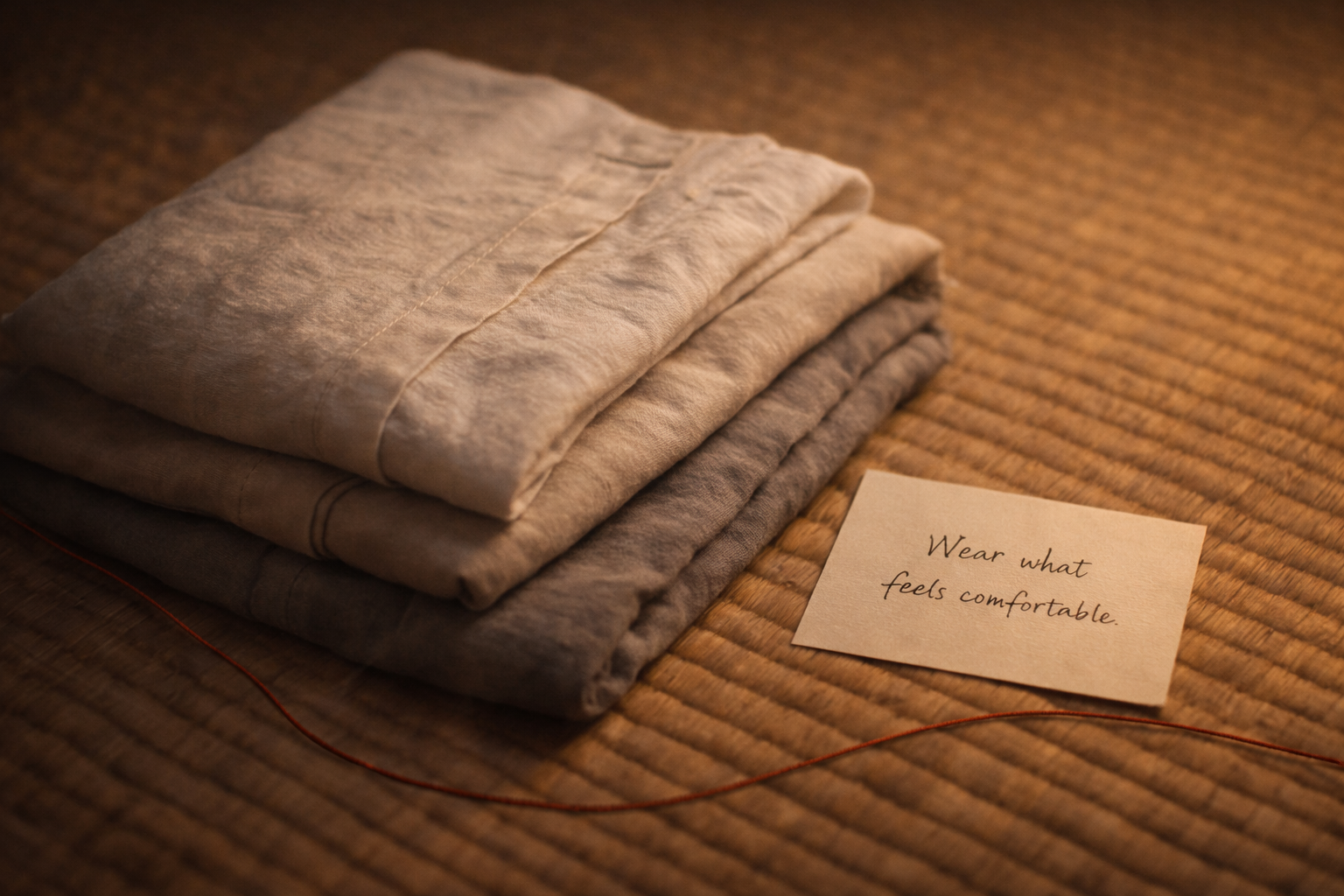
1. Wear Comfortable Clothing
Reiki sessions are done fully clothed. Choose something soft and non-restrictive.
Avoid:
Tight waistbands
Heavy jewelry
Strong perfumes or fragrances
Comfort helps the nervous system settle more quickly. If your body feels at ease, your energy can soften more naturally.
2. Eat Lightly and Stay Hydrated
There’s no need to fast before Reiki.
In fact, having a light meal a few hours before your session can help you feel grounded. Avoid arriving overly hungry or overly full.
Drink water before and after your session. Hydration supports circulation and overall regulation — both of which are helpful during energy work.
3. Arrive With an Open Mind (Not a Perfect One)
You do not need to “clear your mind” before Reiki.
You don’t need to meditate beforehand.
You don’t need to believe anything in particular.
Some people arrive feeling calm. Others arrive anxious, distracted, or emotionally full.
All of that is welcome.
Reiki meets you where you are.
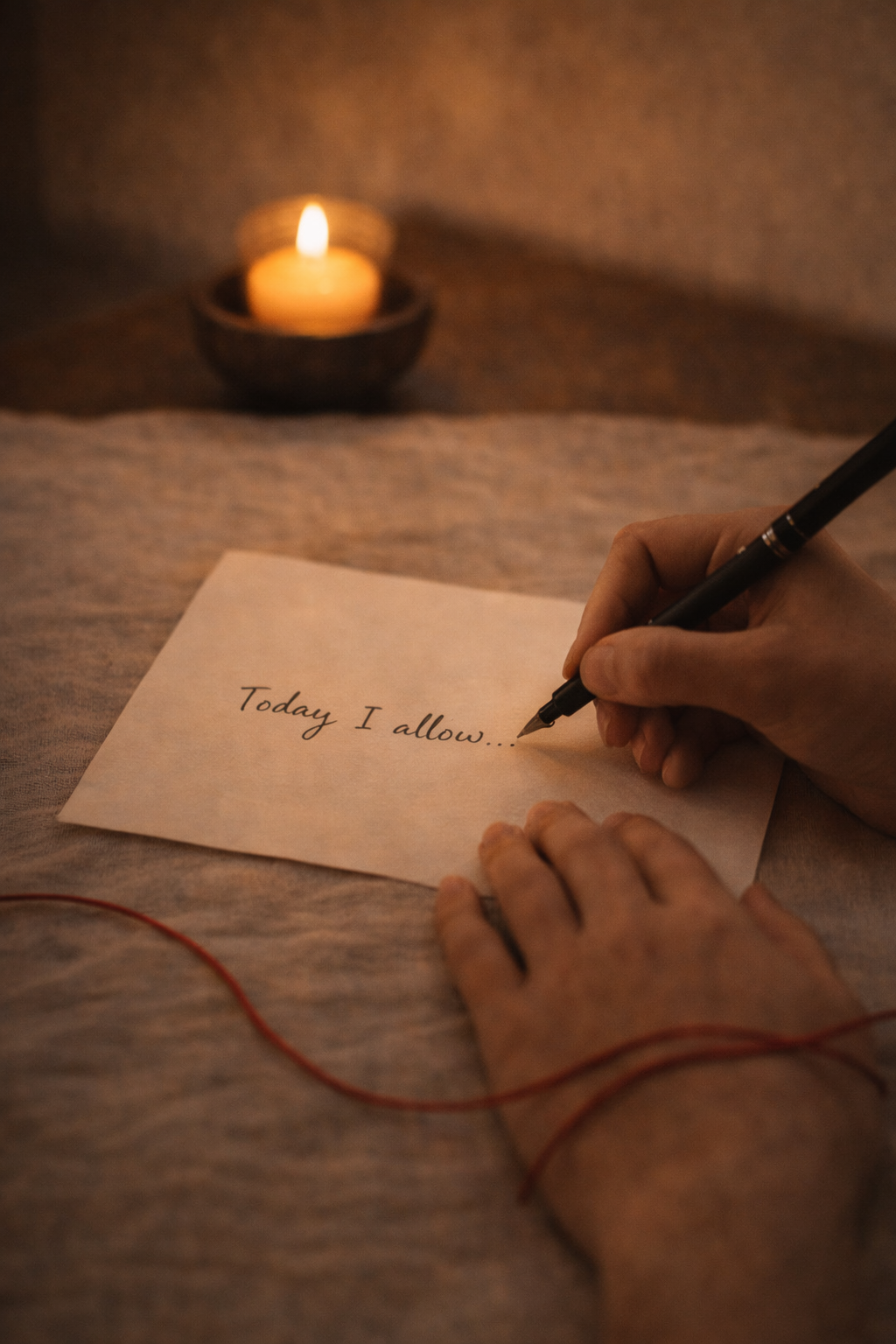
4. Set a Gentle Intention
While not required, it can be helpful to reflect on why you booked the session.
You might ask yourself:
What feels out of balance right now?
Where am I holding stress?
What would I like more of in my life? (Rest, clarity, steadiness?)
Your intention does not need to be specific or dramatic.
It can be as simple as:
“I’d like to feel more grounded.”
Intentions help focus awareness, but they do not control the outcome. Reiki works holistically, often addressing what is most needed — even if it’s not what you consciously expected.
5. Release Expectations
One of the most common concerns is:
“What if I don’t feel anything?”
Reiki experiences vary greatly.
Some people feel warmth, tingling, or subtle movement. Others feel emotional release. Some fall asleep. Some simply feel peaceful stillness.
There is no “correct” reaction.
Reiki is subtle. Its primary impact is often on the nervous system — shifting the body from stress response into relaxation response.
Even if your session feels quiet, that quiet is powerful.
6. Understand What Will Happen
During a session, you will lie comfortably on a treatment table. Gentle music may be playing in the background. The practitioner will place their hands lightly on or slightly above different areas of your body.
There is no pressure or manipulation.
If you ever feel uncomfortable, you are encouraged to communicate. Reiki is collaborative. You are always in control of your experience.
The space is designed to feel safe, calm, and supportive — from heated tables and soft linens to grounding details that help your body fully relax.
7. Plan for a Soft Landing Afterwards
While Reiki does not typically cause dramatic side effects, many people feel deeply relaxed afterward.
If possible:
Avoid scheduling something stressful immediately after.
Give yourself time to integrate.
Journal, walk in nature, or simply rest.
You may notice subtle shifts over the next 24–48 hours. Sometimes clarity arises. Sometimes emotions process gently. Sometimes sleep improves.
And sometimes the effect is simply a sense of steadiness.
8. If You Feel Nervous, That’s Normal
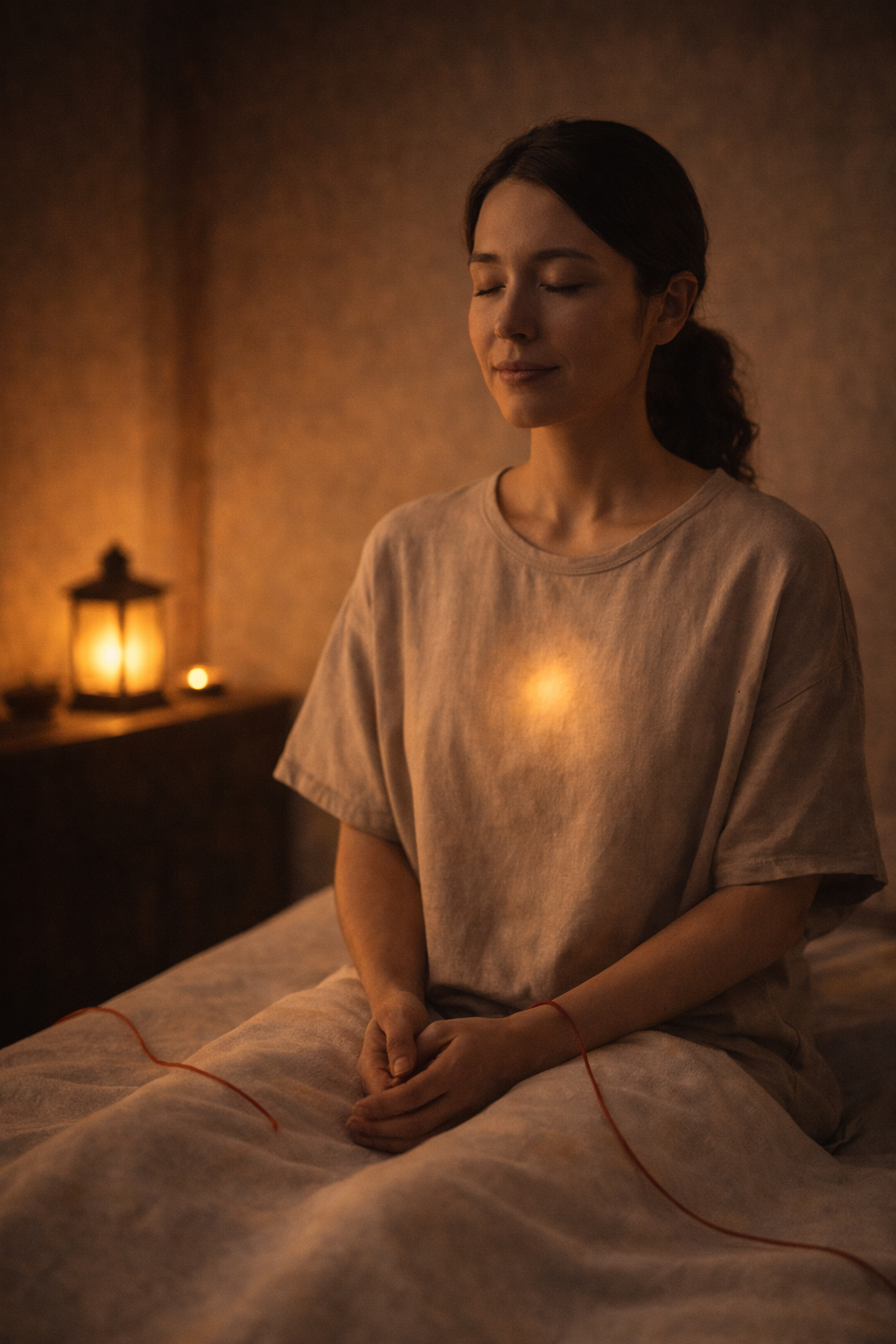
It’s completely natural to feel unsure before trying something new — especially something described as “energy work.”
Remember:
Reiki is gentle.
It is non-invasive.
It does not override your autonomy.
You are not surrendering control. You are choosing to rest.
And for many people, that alone is healing.
9. There Is No “Right Way” to Receive
You do not have to:
Be spiritual
Believe in chakras
Visualize anything
Relax perfectly
Reiki does not demand performance.
It simply invites your body to remember how to settle.
In modern life, we are rarely given structured permission to pause. A Reiki session creates that container — a dedicated hour where nothing is required of you.
No output.
No productivity.
No fixing.
Just presence.
A Gentle Reminder
Preparing for Reiki is less about doing more — and more about doing less.
Wear something comfortable.
Drink water.
Arrive as you are.
Trust that whatever unfolds will be supportive in its own way.
And if you feel called to book a session, perhaps that quiet pull is already part of the preparation.
