Aftercare: What to Do After a Reiki Session
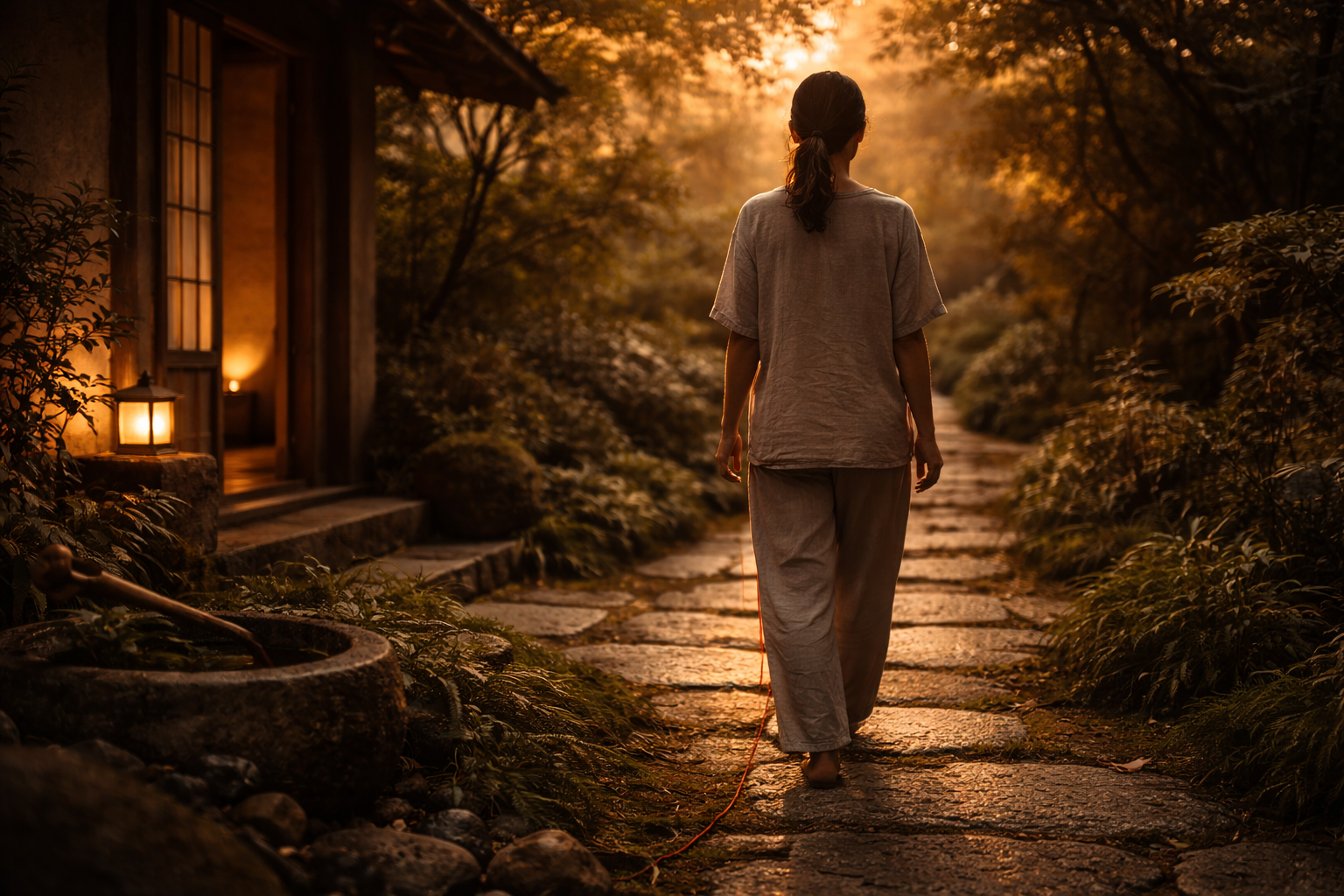
A Reiki session often feels deeply restful.
Your breathing slows.
Your body softens.
Your thoughts quiet.
But what happens after you leave the table?
If you’re new to Reiki, you might wonder whether there’s anything specific you should do — or avoid — once your session ends.
The short answer is: keep it simple.
Reiki is gentle. It does not require strict recovery protocols. But there are small, supportive practices that can help you integrate the experience and extend its benefits.
1. Drink Water
This is the most common recommendation for a reason.
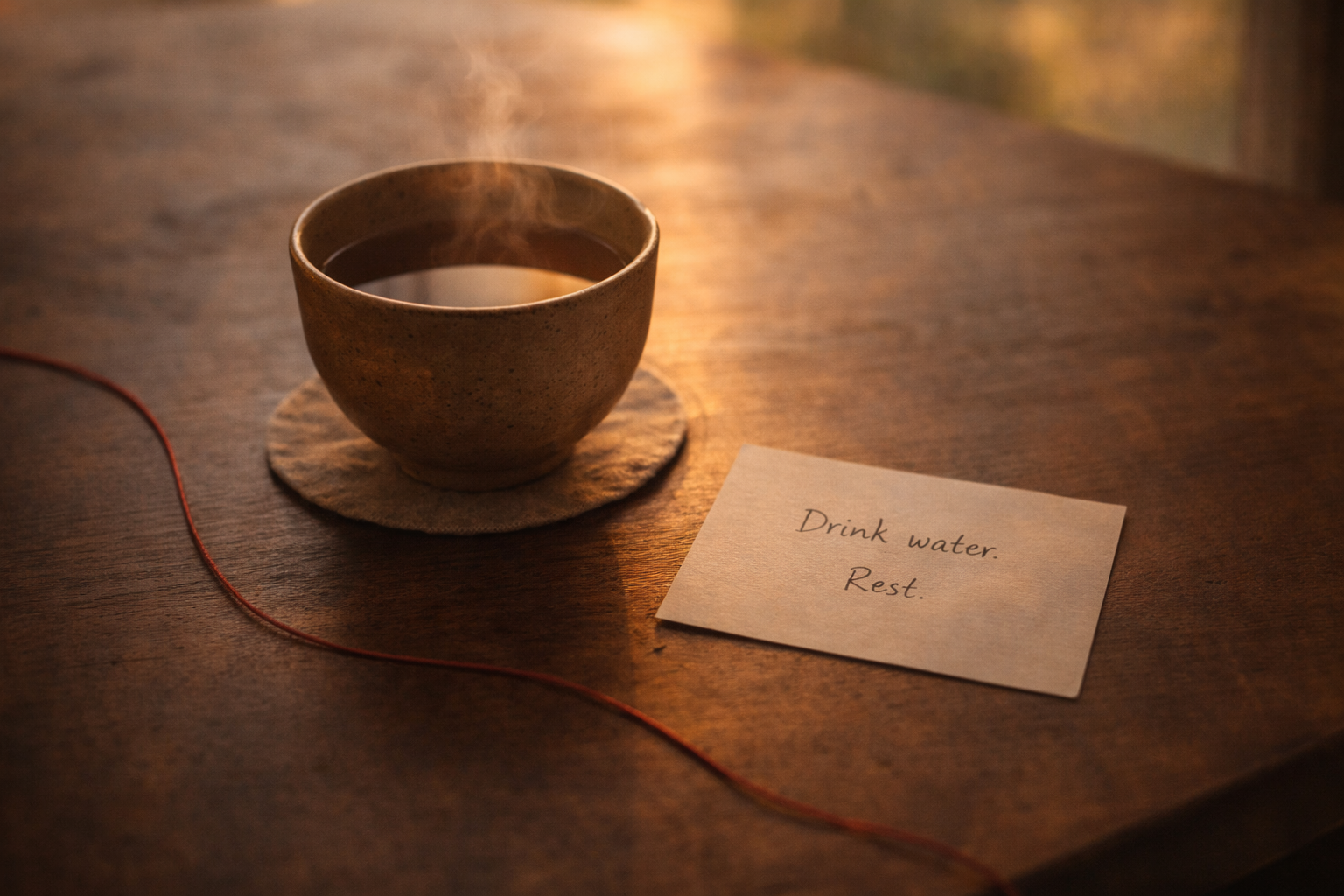
Hydration supports circulation, cellular function, and overall regulation. After deep relaxation, your body may feel slightly heavy or spacious. Drinking water helps you ground and reorient gently.
You don’t need to overdo it. Just be mindful to hydrate throughout the day.
2. Move Slowly
Many people feel deeply relaxed after a session — sometimes almost floaty.
If possible, avoid jumping immediately into:
Intense workouts
Heated conversations
Packed schedules
High-stimulation environments
Instead, give yourself a soft landing.
Walk outside. Sit quietly in your car for a few minutes. Let your nervous system adjust at its own pace.
Reiki works by encouraging the body to shift into parasympathetic (rest-and-digest) mode. Protecting that state for even an extra hour can deepen the effect.
3. Notice, Don’t Analyze
You may feel:
Calm and clear
Emotional
Slightly tired
Energized
Or simply normal
All responses are valid.
Sometimes the shifts are obvious. Sometimes they’re subtle.
Instead of asking, “Did it work?” try asking, “What do I notice?”
Reiki often works beneath conscious awareness. You might observe improved sleep that night. Or clearer communication the next day. Or a gentle emotional release a few days later.
There is no single timeline.

4. Allow Emotions to Move
Occasionally, people experience emotional processing after Reiki.
This doesn’t mean something is wrong. It simply means your system felt safe enough to soften.
If feelings arise:
Breathe steadily.
Journal without editing yourself.
Step outside and ground through your senses.
Reiki does not create emotions that weren’t already present. It simply allows space for integration.
5. Rest if You Need To
Deep relaxation can reveal how tired you actually are.
If you feel called to nap, go to bed earlier, or cancel a non-essential plan — consider honoring that.
Modern life rarely gives us permission to rest without justification. A Reiki session often reminds the body how much it benefits from stillness.
Rest is not laziness.
It is regulation.
6. Be Gentle With Stimulation
After energy work, your senses may feel slightly heightened.
Bright screens, loud spaces, or intense news cycles can feel more jarring than usual.
If possible, choose softer inputs:
Gentle music
Warm lighting
Calm conversation
Time in nature
Even one intentional hour of softness can make a difference.

7. Continue the Conversation With Yourself
Sometimes clarity emerges after Reiki.
You might feel more certain about a boundary. More aware of your needs. More connected to your intuition.
If insight arises, write it down.
You don’t need to act on everything immediately. Simply acknowledging it honors the shift.
Reiki supports awareness. What you do with that awareness is always your choice.
8. Understand That Integration Is Individual
Not everyone experiences dramatic changes after one session.
Reiki is cumulative. Just like meditation or yoga, its benefits often deepen with consistency.
Some people feel:
Immediate calm
Improved sleep
Emotional lightness
Others feel steady, subtle regulation that builds over time.
There is no right way to integrate.
Your body will process in its own rhythm.
9. When to Reach Out
If you ever feel uncertain about something after your session, reach out to your practitioner.
Reiki is collaborative.
Most experiences are gentle and manageable, but open communication helps you feel supported.
A Final Reminder
Aftercare is not about adding more to your to-do list.
It’s about protecting the quiet that was created.
Drink water.
Move slowly.
Notice what shifts.
Rest if needed.
The session may have ended — but the integration continues.
And sometimes, the most powerful healing happens not on the table, but in the small choices you make afterward.
